
Agioi Saranta Cave Church — A Hidden Sacred Cave in the Protaras Hills
Libra Arte
A Voice from Another Time
"I remember the moment they told us to choose.
The fire burned low that night, and the wind carried the silence of men who already knew their fate. We were soldiers of Rome — trained to obey, to endure, to conquer. But there are things no empire can command.
Faith was one of them.
We were forty. And by dawn, we would no longer belong to this world..."
The Legacy of the Forty Martyrs
Their story did not end on that frozen lake in 320 AD.
It began there.
The men who would later be remembered as the Forty Martyrs of Sebaste were not saints when their story started — they were soldiers. Strong, disciplined, loyal to the Roman Empire. They had marched under its banners, fought its wars, and carried its authority wherever they were sent.
But faith has a way of entering quietly.
Not through orders. Not through force.
Through conviction.
It is said that winter had settled heavily over Sebaste when the command came. The empire demanded obedience — a ritual sacrifice to the Roman gods, a simple act meant to prove loyalty.
Simple, perhaps, for most.
But not for them.
One by one, they refused.
Not loudly. Not dramatically.
Just firmly enough that there was no misunderstanding.
Punishment followed swiftly.
They were stripped of rank, of protection, of everything that once defined them. And then came the sentence — to stand through the night on a frozen lake, exposed to the bitter cold, watched from the shore where warmth and fire were deliberately kept just out of reach.
A final temptation.
A final chance to break.
The night stretched on.
Wind moved across the ice like a living thing, cutting through flesh and bone. Some prayed. Some fell silent. Some stood simply because the others were still standing.
Forty men, in the darkness, choosing again and again — not once, but every minute — to remain where they stood.
One of them could not endure.
He left the ice, drawn toward the warmth, toward survival. And for a moment, it seemed the unity had broken.
But then something unexpected happened.
A guard — a witness to the entire ordeal — stepped forward.
Without command. Without hesitation.
He removed his cloak and walked onto the ice, taking the place of the one who had left.
Forty again.
By morning, the empire had its answer.
Not in obedience — but in defiance that could not be undone.
Their bodies did not survive the night.
Their story did.
It traveled.
Across lands. Across centuries.
Carried in whispers, in prayers, in the careful hands of those who painted their faces onto wood and stone. The Forty became more than men — they became a symbol of endurance, of unity, of a belief that could not be negotiated.
And wherever that story arrived, it left something behind.
One such place lies quietly above Protaras.
Not grand. Not obvious.
But deeply connected.
How the Cave Became a Sacred Place
Long before paths were marked, before travelers came searching for it, there was only rock, wind, and silence.
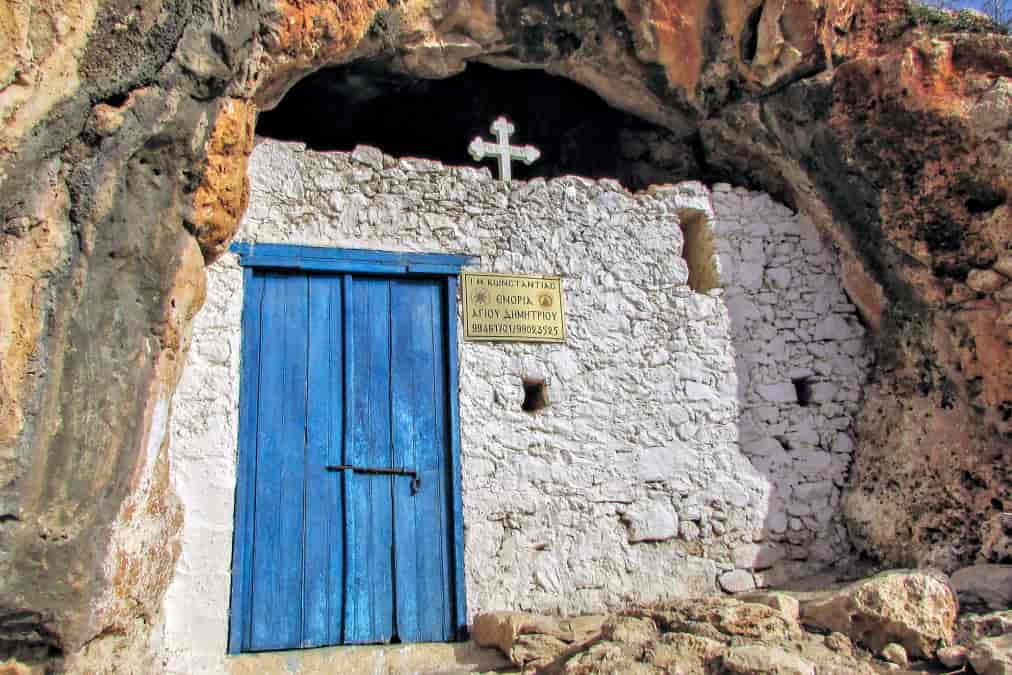
The cave that would become the Agioi Saranta Cave Church was once nothing more than a natural opening in the hillside — the kind of place you could easily pass without noticing, unless you were looking for something hidden.
Or something sacred.
In the early centuries of Christianity, faith was not something displayed openly. It lived quietly, often in places like this — away from cities, away from authority, away from the need to explain or defend.
Caves became churches not because they were built, but because they were chosen.
Over time, this space changed.
Slowly. Gently.
Hands cleared stone. Walls were shaped just enough to hold icons. A simple altar emerged from the rock itself. No grand architecture, no elaborate design — only what was necessary.
Only what mattered.
Dedicating this place to the Forty Martyrs was not an accident.
Their story belonged here.
In a place shaped by endurance. In a space defined by silence. In a church that feels less constructed — and more discovered.
Inside the Cave
Step inside, and the world outside fades almost instantly.
The air becomes cooler. Heavier. Still. Sound softens. Time slows.
Light enters carefully, touching the stone walls and the Byzantine icons with a softness that feels almost intentional. Nothing here is polished or perfected — and that is precisely what makes it powerful.
There is no separation between nature and belief.
The mountain itself becomes the church.
The Hills Above Protaras
From the hills, the coastline stretches below like a painting in motion — the blue of the sea, golden sands, and the shimmer of sunlight on the waves. Boats drift lazily, children’s laughter echoes from the beaches, and the village hums with life.
Here, just a few minutes away, it feels like another world. The wind moves differently. Sounds are softened, distant, almost as if the hills themselves are holding them back. The air smells of wild herbs and warm stone. In this quiet, the pace of the coast fades, and all that remains is the stillness of the cave, the weight of centuries, and the gentle presence of history.
Just Minutes from Libra Arte Villa
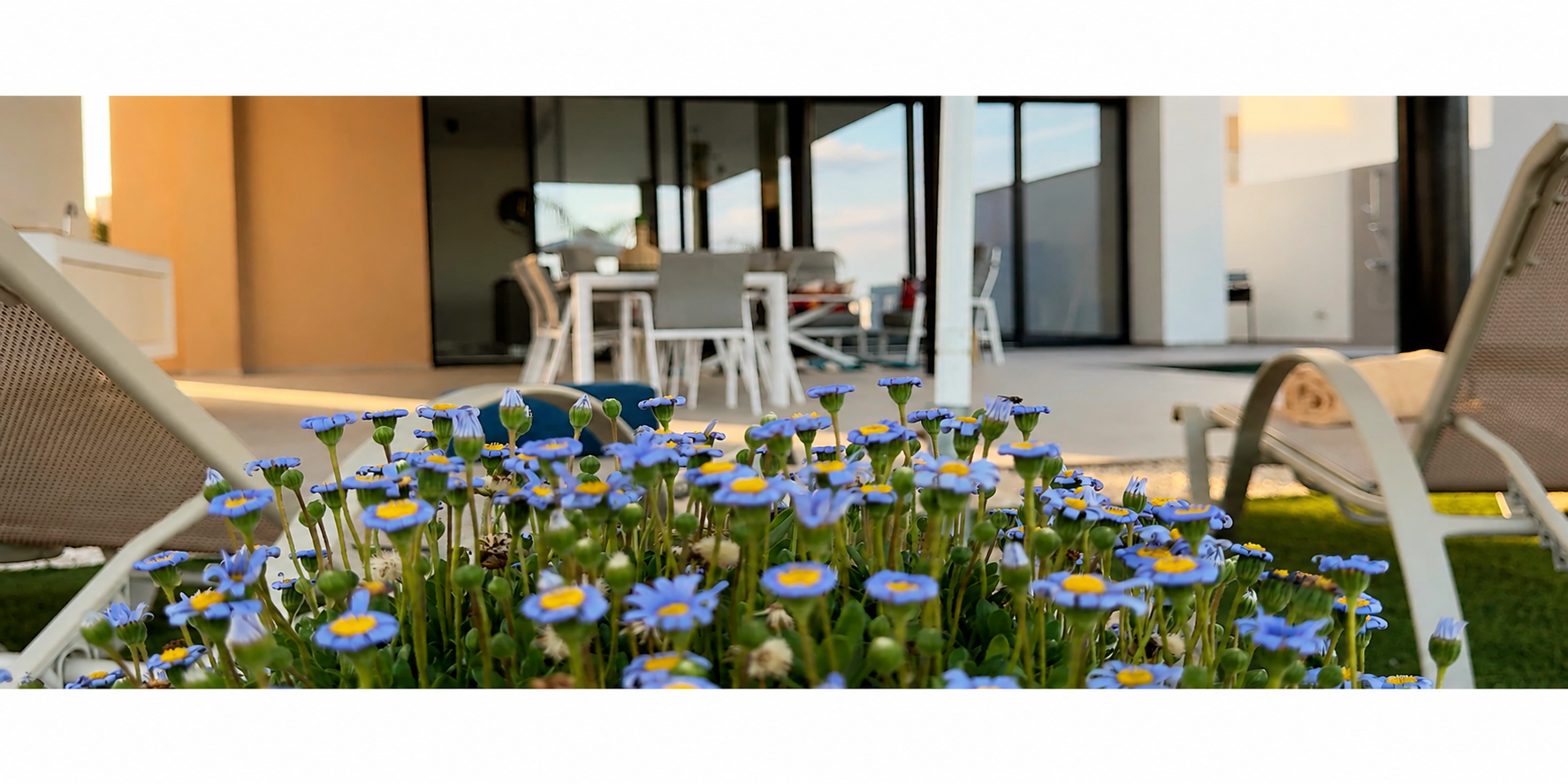
For guests at Libra Arte Villa, this hidden sanctuary is astonishingly close. A short 7–10 minute drive and a brief walk through winding paths bring you from modern comfort and design into a space that has remained unchanged for centuries.
This is not a stop on a sightseeing tour. It is a place to pause, to breathe, to step out of time and let history settle around you.
A Journey That Stays With You
Some experiences fade when you return to daily life. This one does not.
Hidden in the hills above Protaras, Agioi Saranta Cave Church is more than a historic site. It is a living quiet — a presence you carry with you long after leaving.
"
...We were forty. We stood together when it mattered most.
And though empires have risen and fallen since that night, something of us remains - not in monuments of marble or gold, but in places like this.
Enduring.
Silent.
Profound..."
Categories
Tags
Places & Civilizations
Share to social media